Shepards Without Sheep
2025 Vila 31 Art Explora, Open Studio
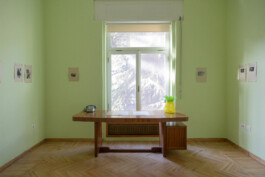
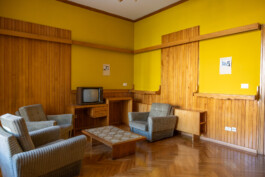
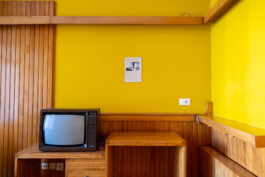
When I arrived in Tirana as a resident at the Vila 31 Art Explora program, I entered a place marked by a dense and complicated history. The former house of Enver Hoxha, once a symbol of power, became a temporary studio and living space for a small group of international artists. The residency expected each of us to create work for the open studio days, but it quickly became clear that this was not a context for simply producing and presenting. Being there called first for listening, observing, understanding and learning.
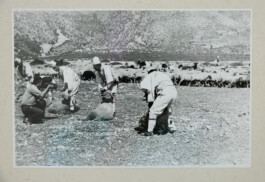
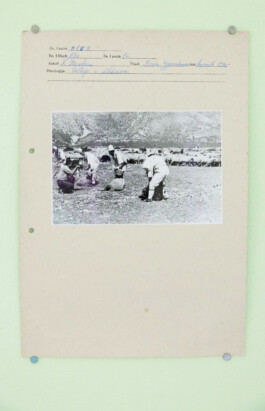
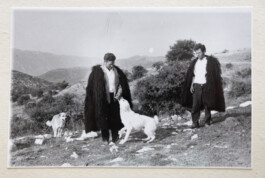
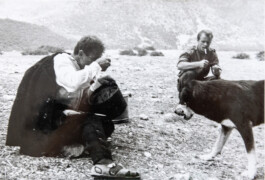
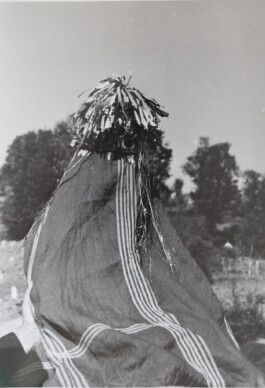
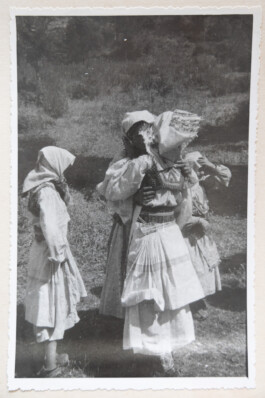
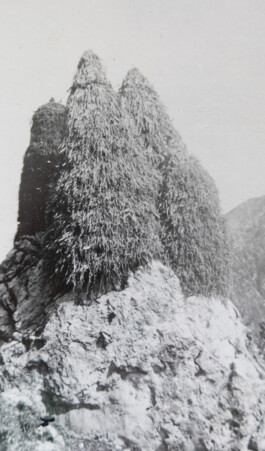
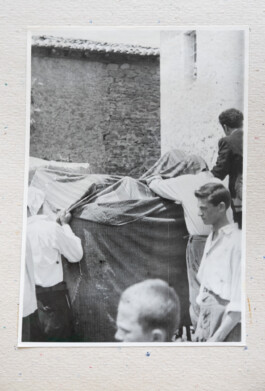
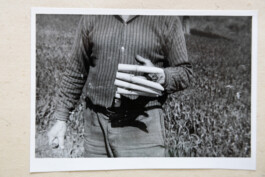
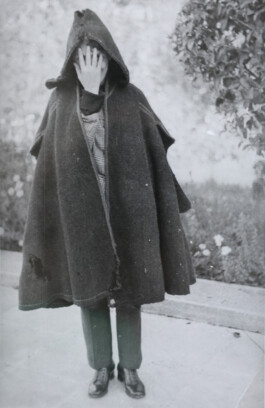
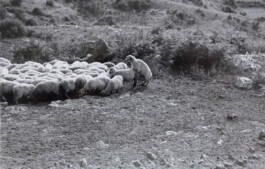
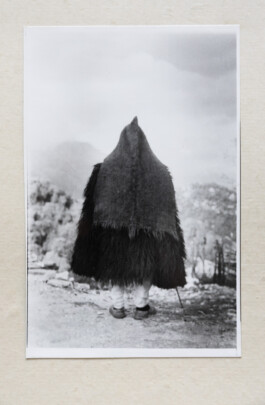
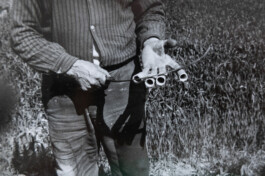
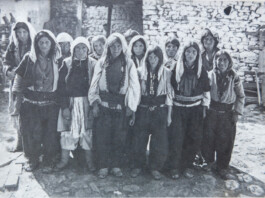
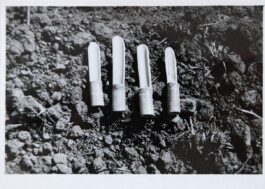
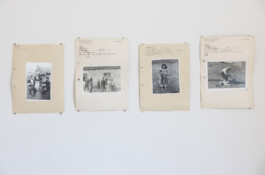
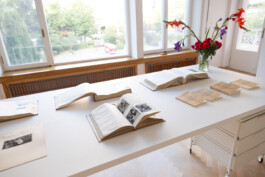
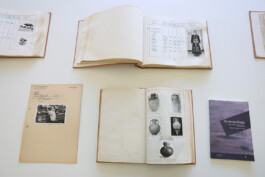
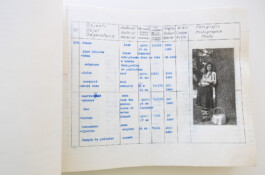
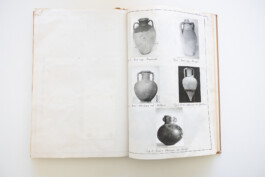
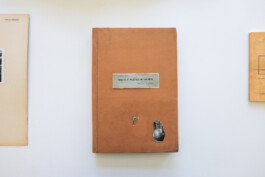
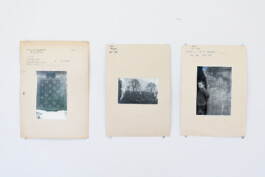
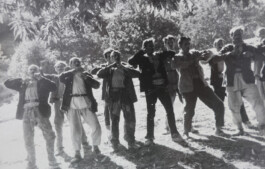
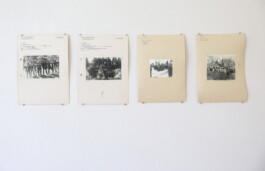
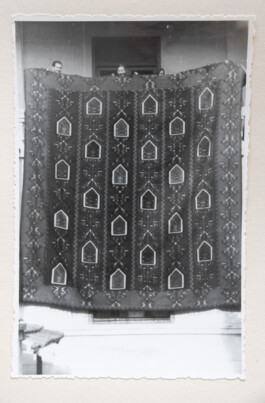
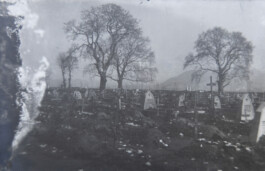
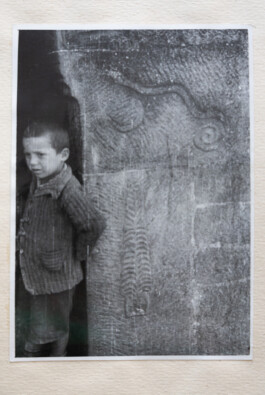
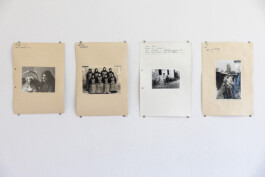
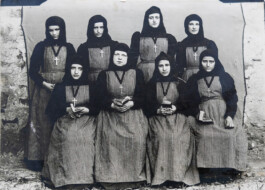
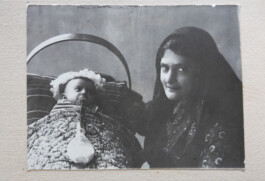
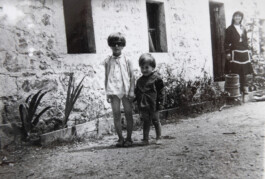
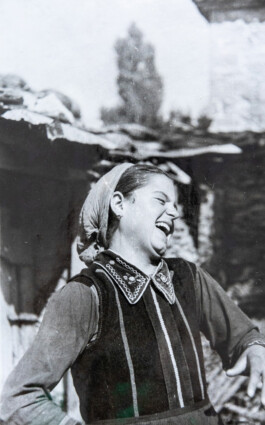
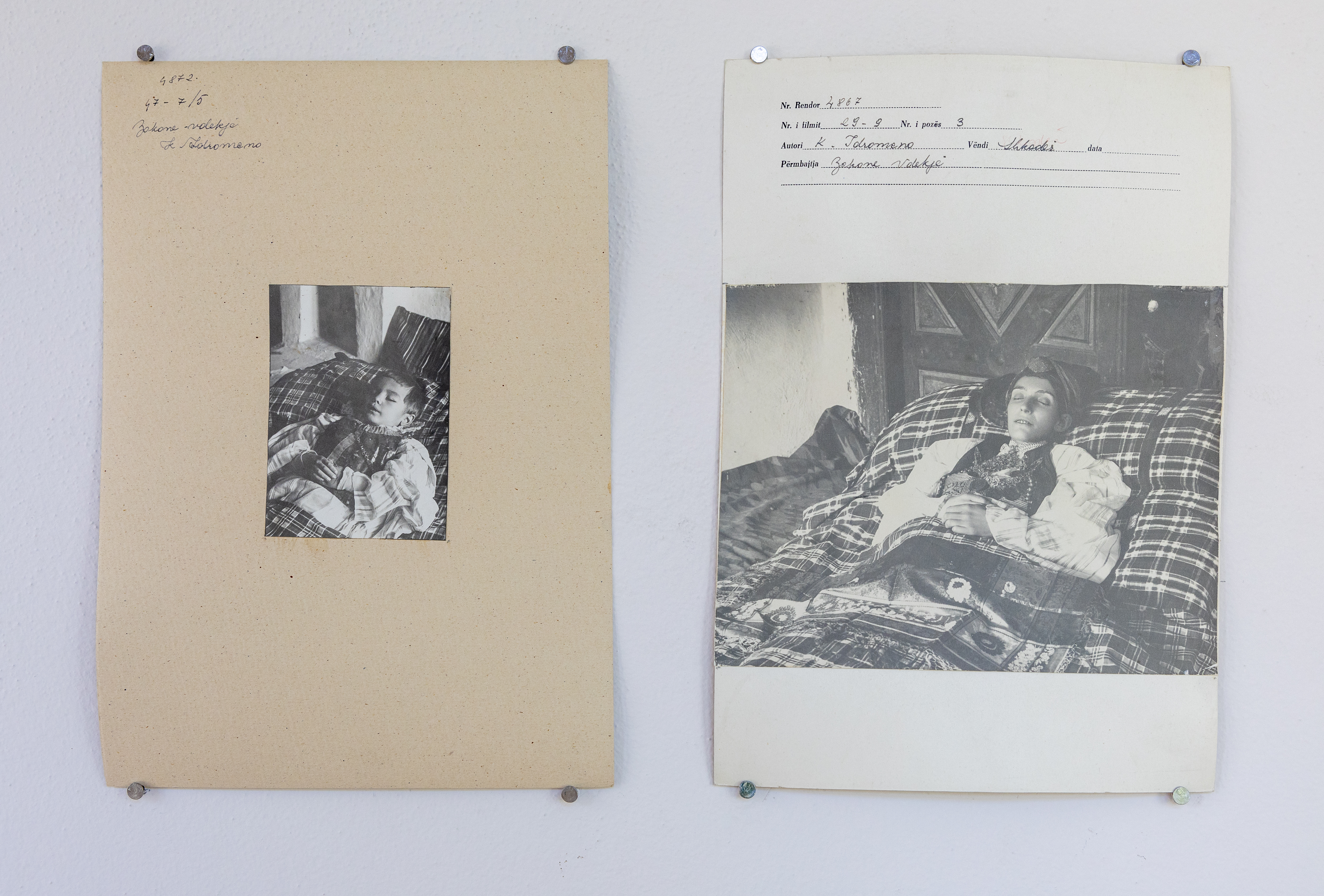
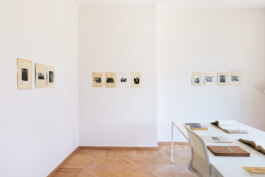
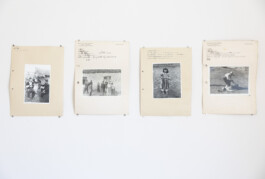
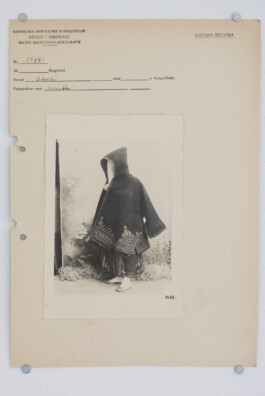
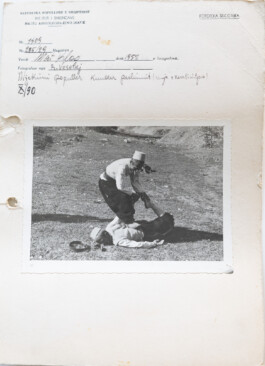
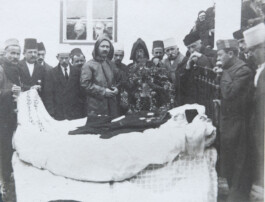
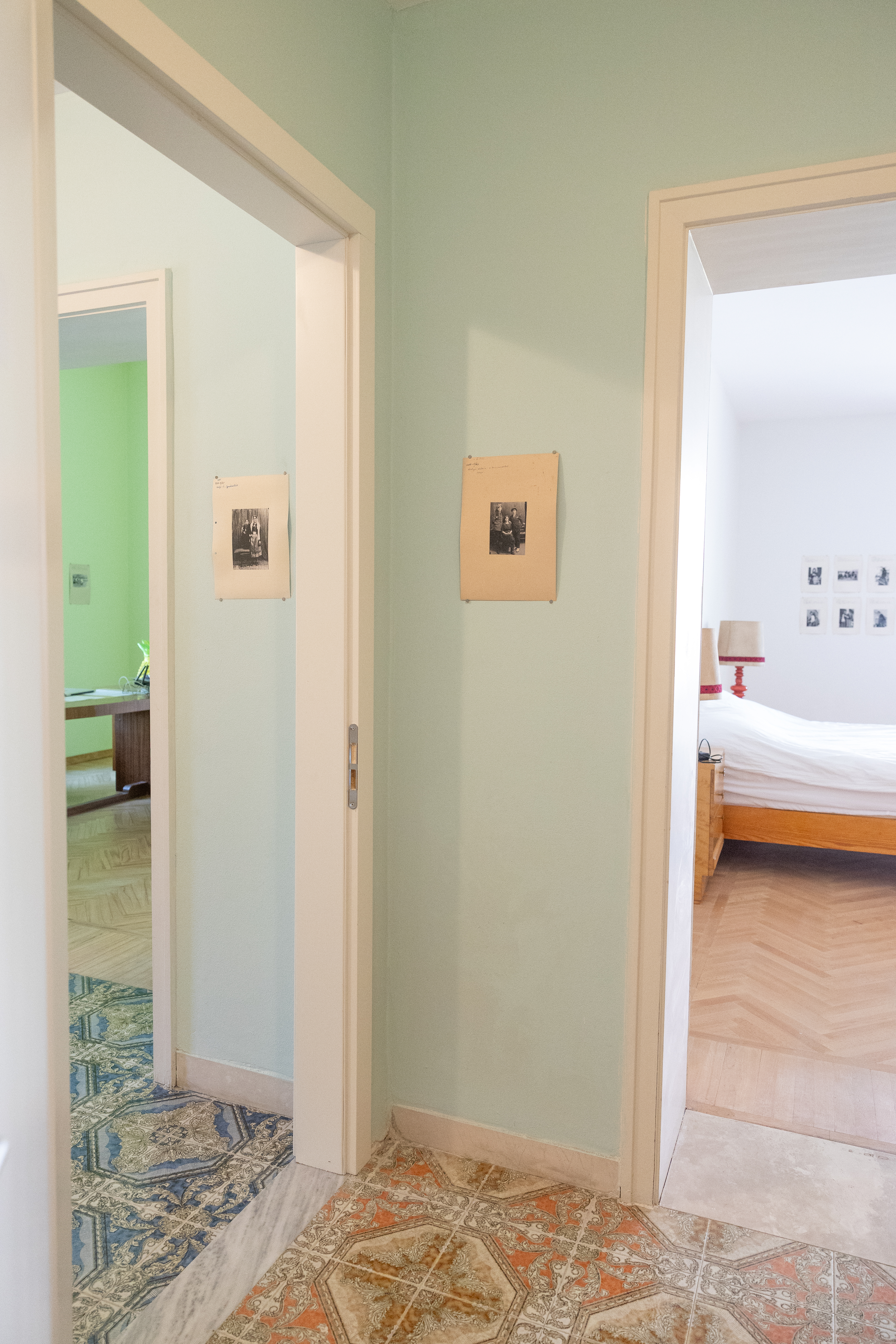
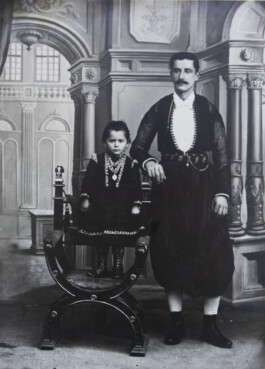
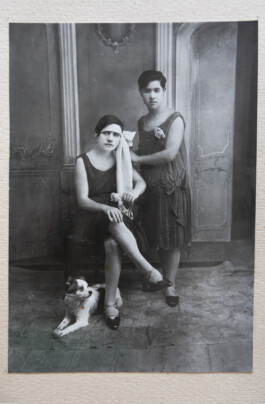
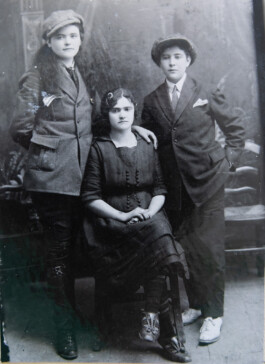
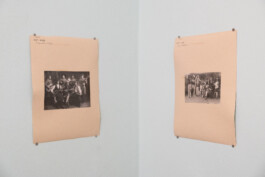
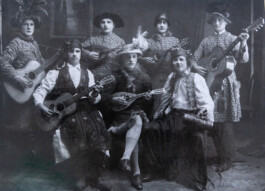
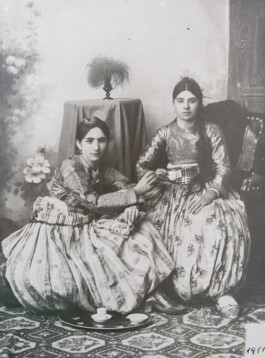
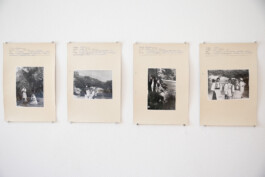
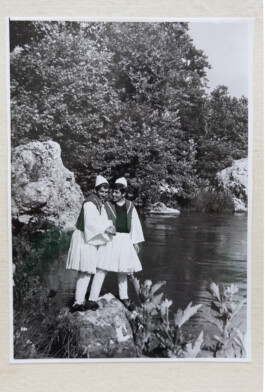
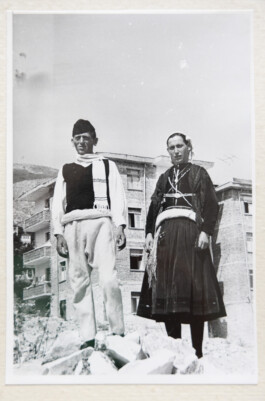
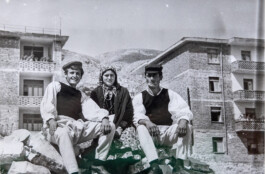
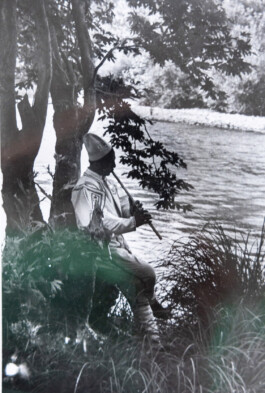
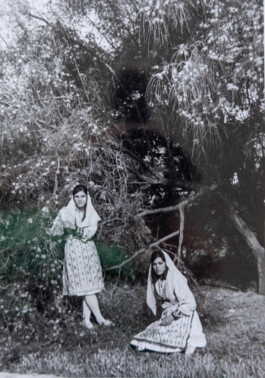
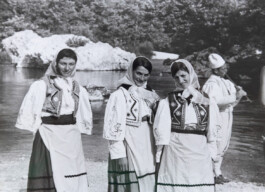
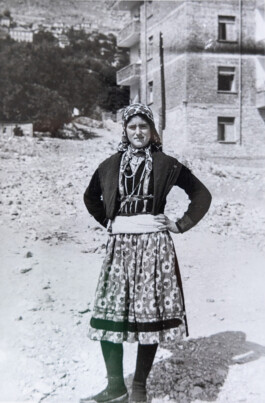
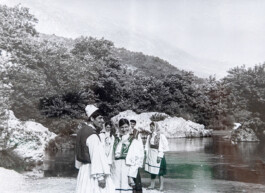
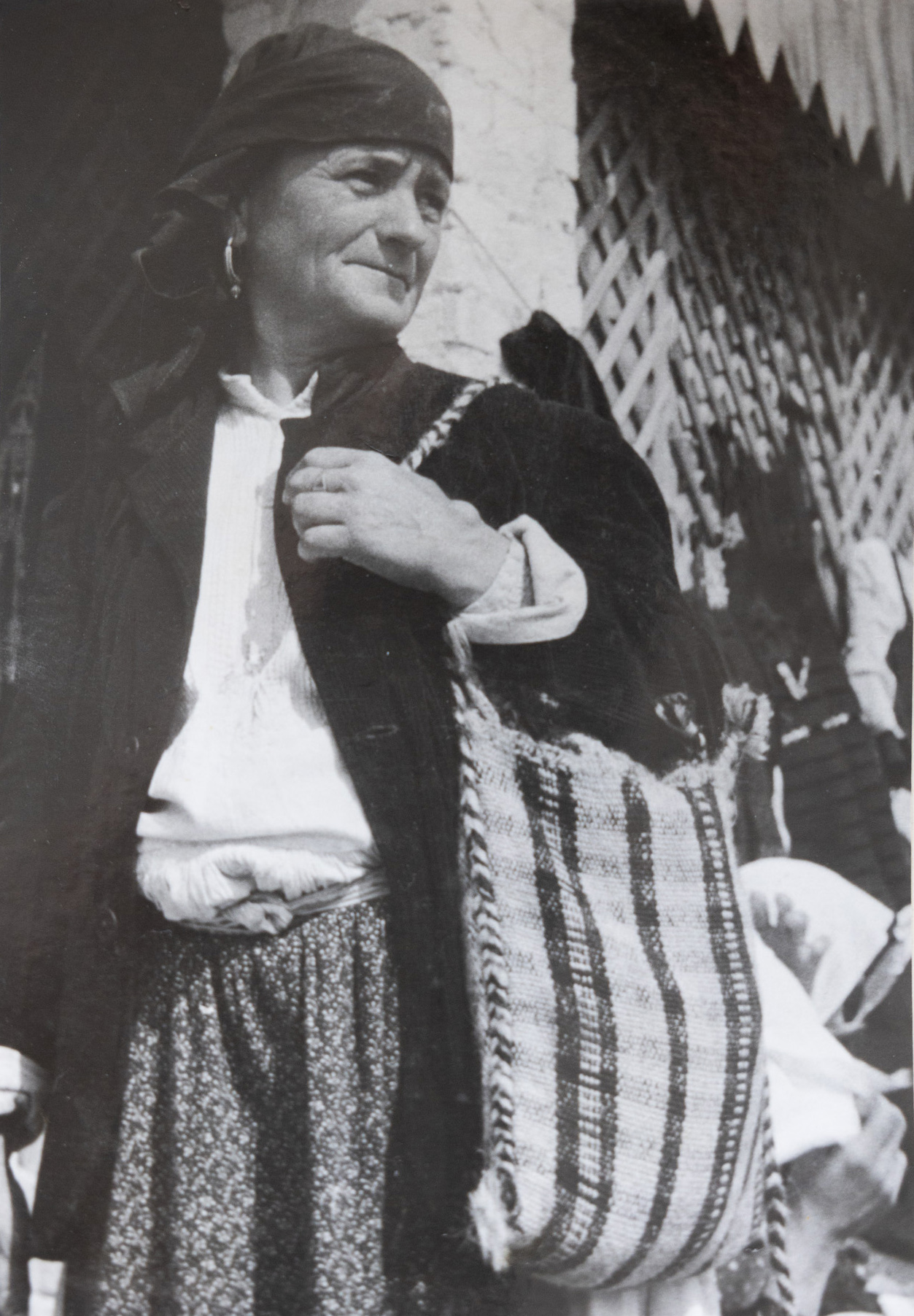
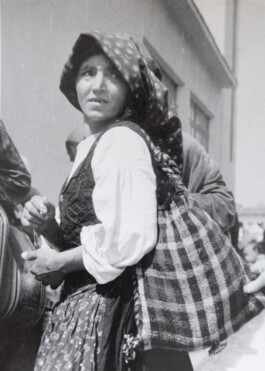
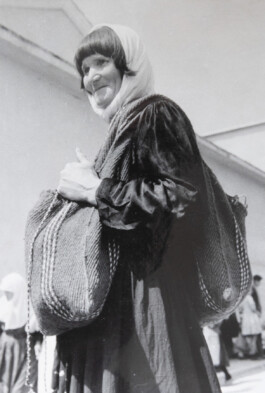
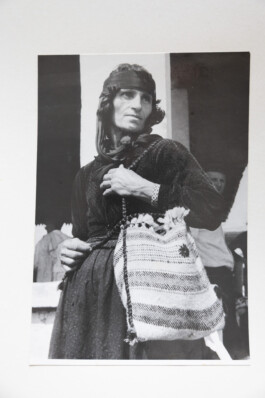
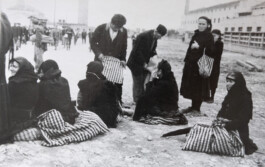
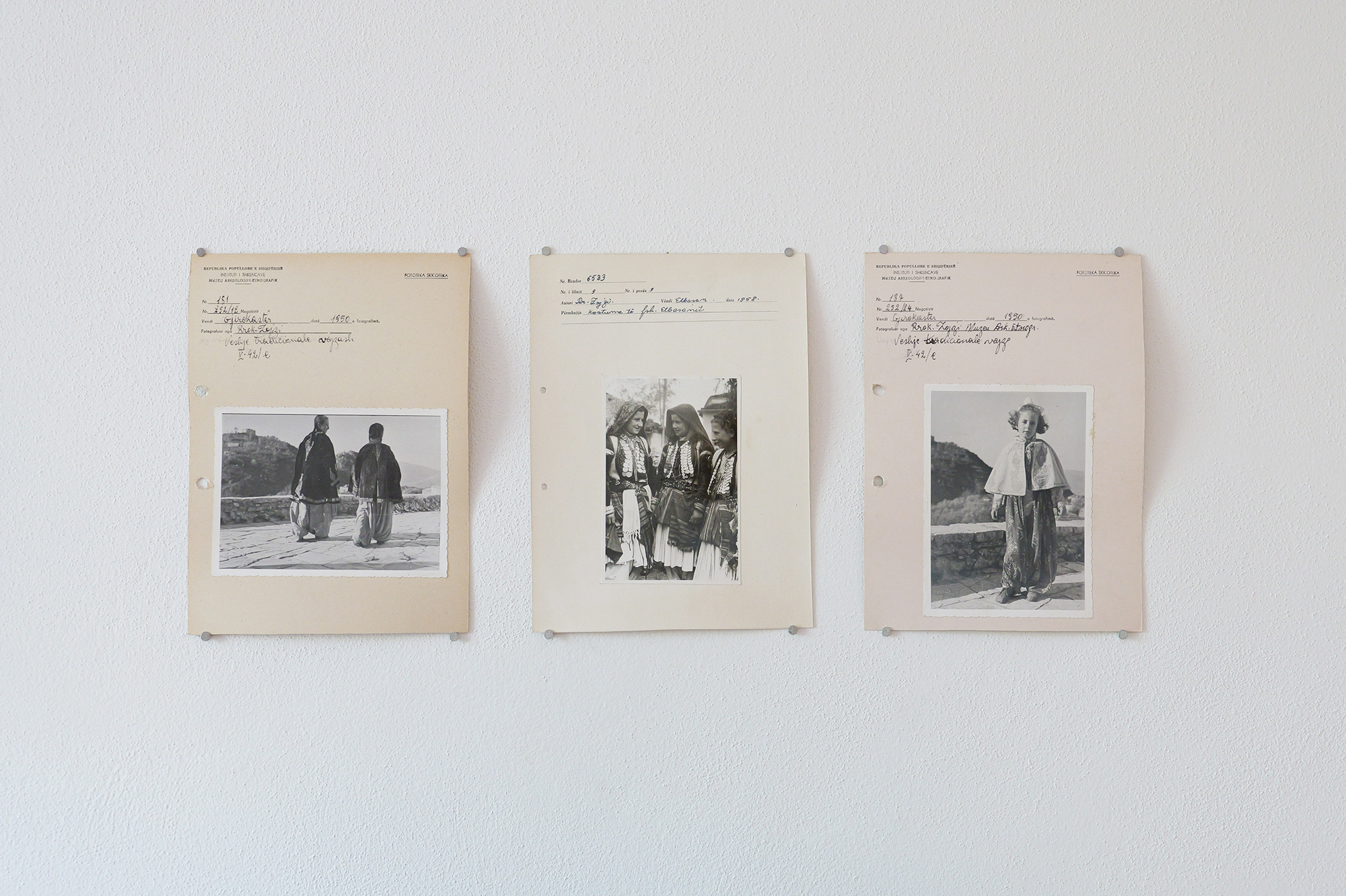
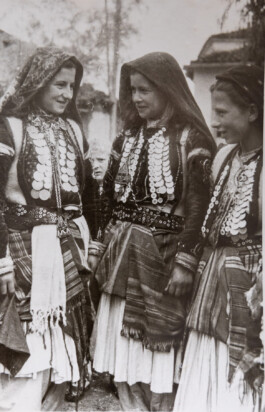
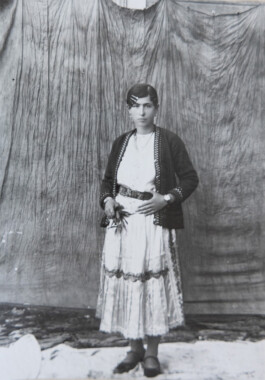
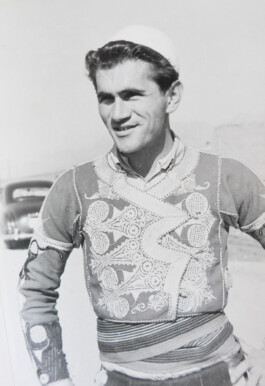
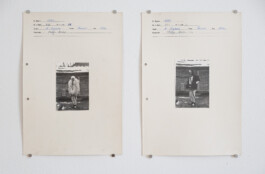
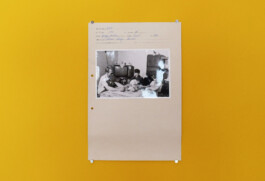
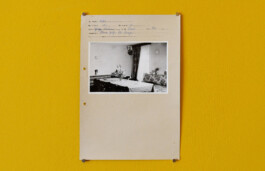
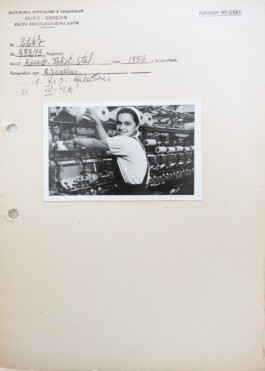
This process led me to the Anthropological Institute and its remarkable photographic archive. It consists of silver-gelatin photographs mounted on A4 cardboard sheets and stored away in metal cabinets. It is an index for folkloric customs, costumes, objects, furniture, rituals with subject matter, date, numbered and the ethnographers or photographers name marked on each sheet, dating from the 1920ies till today.
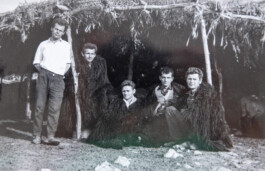
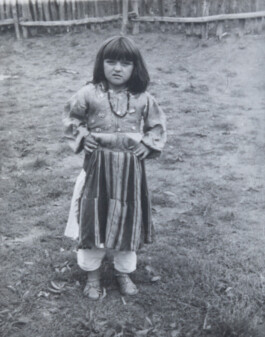
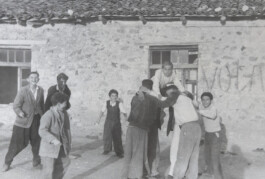
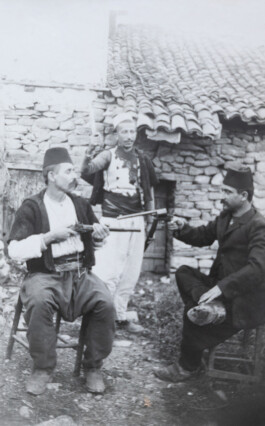
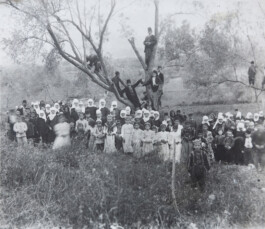
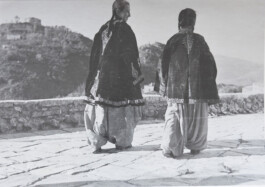
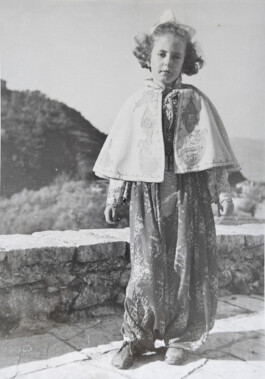
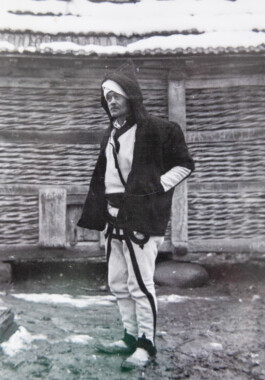
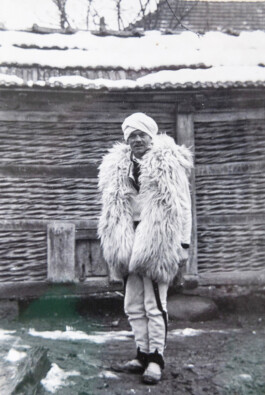
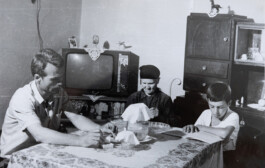
The photographic archive of the Institute of Anthropology in Tirana is shaped by both documentary ambition and ethnographic intent. Alongside canonical works by celebrated Albanian photographers such as Pjetër Marubi and Kolë Idromeno, it contains a vast trove of vernacular images produced by ethnographers like Rrok Zojzi, Abaz Dojaka, and Fiqiri Haxhiu.
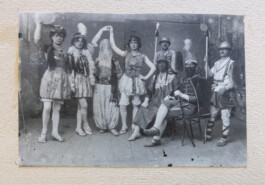
Ethnography, as it was historically practiced, also during the communist regime in Albania when this archive was founded often served as a tool of classification and control—claiming to objectively represent the customs, appearances, and social structures of others while reinforcing hierarchies of knowledge and power. Photography and film played a central role in this process: framing and shaping lives through a lens, reinforcing exoticness or romanticism, and often stripping subjects of context or agency. Many of the images in this archive show staged rituals, reenacted customs, and carefully orchestrated performances of culture—produced not as spontaneous expressions of life but as visual affirmations of identity for the ethnographic record. These performative aspects complicate the reading of the images, blurring the lines between documentation and construction, between tradition and invention.
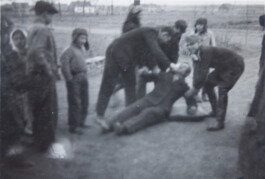
Today, such archives are increasingly understood as politically charged spaces—products of colonial, nationalist, and often patriarchal ideologies. They demand not only preservation but also interrogation. And yet, within this complex and sometimes troubling legacy, there are photographic treasures—images of great aesthetic, emotional, and historical value. The photographs unfold like stills from unwritten films, evoking narratives and energies that spill beyond their frame and into the viewer’s imagination.
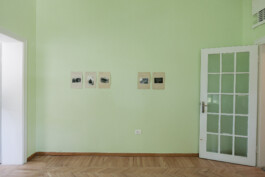
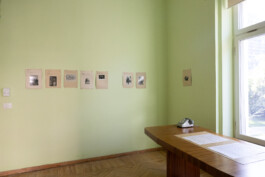
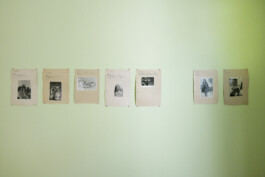
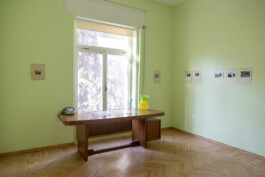
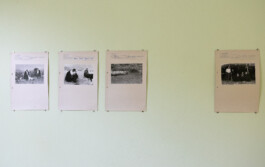
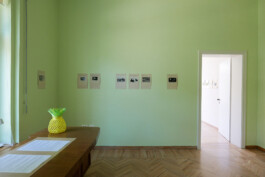
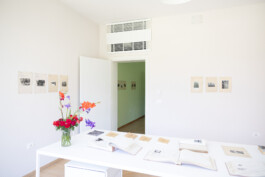
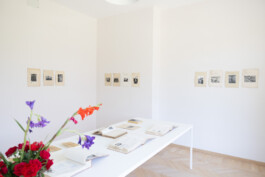
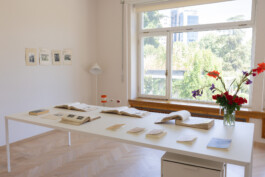
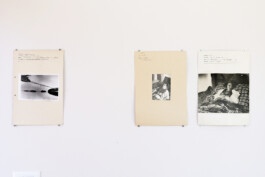
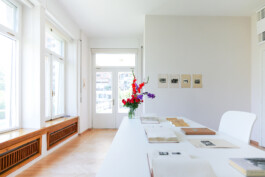
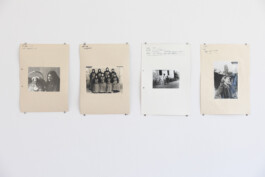
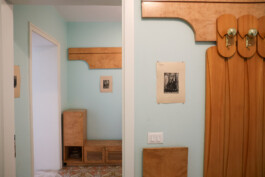
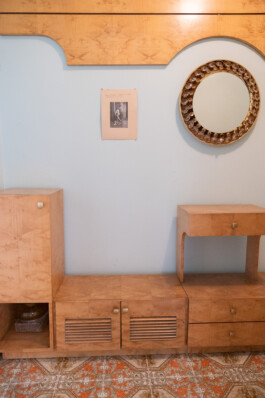
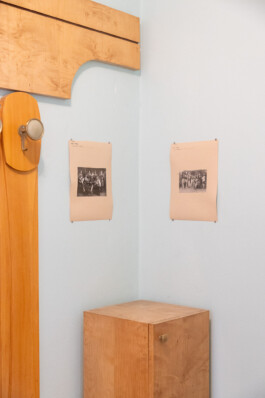
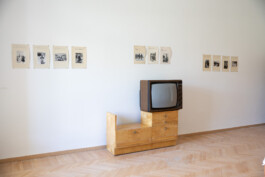
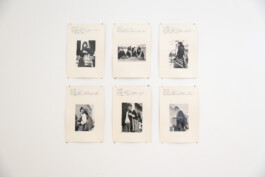
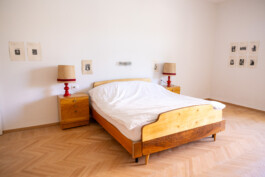
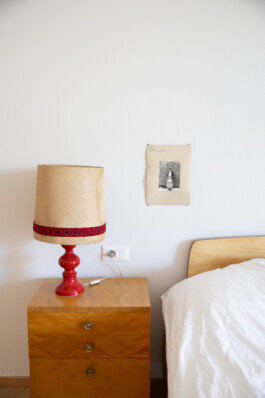
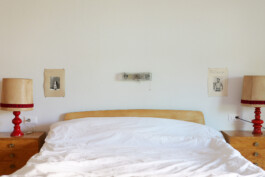
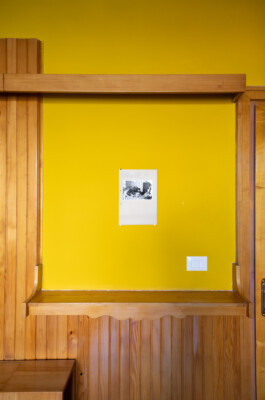
During the open days of Vila 31 Art Explora, I created an intuitive, eclectic re-editing of this material, proposing a new visual story that unsettles the archive’s original purpose. Emphasizing photography’s proximity to life—its ability to register the incidental, the fleeting, and the banal—I invited viewers to see these images anew: not as fixed documents of “truth,” but as strange, poetic, mystical fragments. My selection reframed the archive weaving stories with playfulness and quiet subversion, transforming a contested repository into a space for ambiguity, tension, and imagination.
Using the platform of the residency’s open days, we held a discussion on the archive’s complex histories with Dr. Olsi Lelaj and afterwards, the original prints were returned to the archive. This collaboration was a quiet bid to see an Anthropological Museum return to Tirana—where these works could be shown, cared for, and thought through.
A special thank you to Dr. Mimoza Shqefni and Dr. Olsi Lelaj of the Institute of Anthropology